
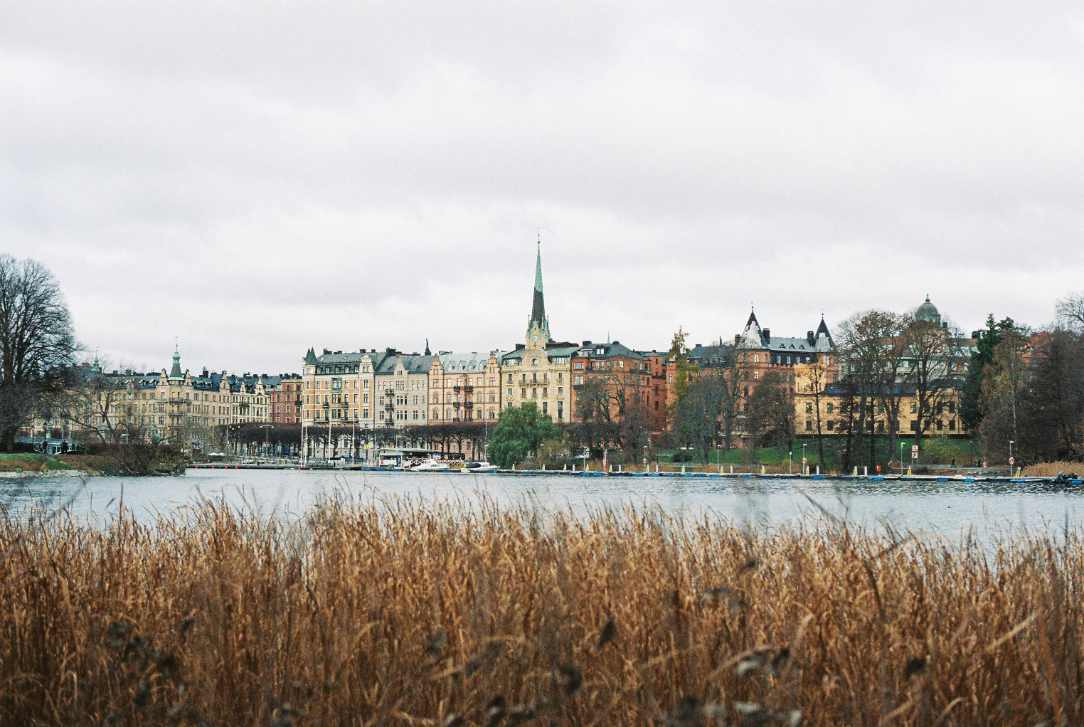
Study in Sweden 2026: Top Universities & Fees
If you're planning to study in Sweden, the biggest question you probably have isn't "is it a good country to study in" — it's "what will it actually cost me, and which university is worth it." This guide answers both, with real 2026 numbers instead of vague estimates.
Sweden pulls in international students for a simple reason: English-taught programs, research-heavy universities, and a teaching style built around discussion rather than memorization. But the financial picture depends heavily on where you're from, so let's break it down properly.
Do You Pay Tuition to Study in Sweden?
Related Reading: Check out our guide on Post-Study Work Visa Germany: Rules & Process
This is the first thing to sort out, because it changes everything else.
- EU/EEA and Swiss citizens pay zero tuition at public Swedish universities, for both bachelor's and master's degrees. You only cover living costs and a small student union fee.
- Non-EU/EEA students pay tuition. Sweden ended free education for this group back in 2011, so budgeting for fees is essential.
- PhD students, regardless of nationality, study for free. Doctoral positions in Sweden are usually paid employment, not just tuition-free study.
Pro tip: Always check if you qualify for an exemption. Some non-EU applicants with permanent Swedish residency, or specific exchange agreements, skip tuition entirely — this gets missed constantly.
How Much Does It Cost for Non-EU Students?
Tuition varies by subject and university, so here's a realistic range for 2026:
- Humanities, social sciences, law: SEK 80,000–120,000/year
- Engineering, IT, natural sciences: SEK 120,000–180,000/year
- Business and economics: SEK 120,000–200,000/year
- Medicine, design, lab-based programs: SEK 200,000–300,000/year at the top end
That's roughly €7,000 to €26,000 per year, depending on your field. Business and architecture programs tend to sit at the higher end, so if budget is tight, engineering or social science programs at regional universities are worth comparing.
There's also a one-time application fee of around 900 SEK (roughly €90) for non-EU applicants, separate from tuition.
Top Universities to Study in Sweden
According to the QS World University Rankings 2026, Sweden places several institutions in the global top 100:
1. Lund University (#72 globally)
Known for sustainability research and a strong international student community. A solid pick if you want a classic "university town" experience.
2. KTH Royal Institute of Technology (#78 globally)
Sweden's top choice for engineering, computer science, and technology. Based in Stockholm, so living costs run higher here.
3. Uppsala University (#93 globally)
Sweden's oldest university, strong in medicine, natural sciences, and humanities. Uppsala is smaller and cheaper to live in than Stockholm.
4. Stockholm University (#147 globally)
Strong in social sciences, law, and business, with the advantage of being in the capital for internships and networking.
5. Chalmers University of Technology (#165 globally)
A technical university in Gothenburg with tight industry connections, especially in automotive and green tech.
Also worth knowing: Karolinska Institute is excluded from QS's overall table since it's a single-faculty medical school, but it's globally recognized for medicine and life sciences.
Living Costs: The Part Students Underestimate
Even if you're an EU student paying zero tuition, housing is where Sweden gets expensive — and where most planning mistakes happen.
- Stockholm: SEK 11,000–14,000/month (roughly €970–1,240)
- Smaller cities (Uppsala, Lund, Umeå): SEK 8,000–10,000/month
- Student accommodation: €240–620/month if you secure a dorm room
- Shared apartments: €350–700/month
Student housing in Stockholm is genuinely scarce. Apply for accommodation the same day you receive your admission letter — waiting even a week can push you to the back of a long queue.
The "Unique Value" Section: What Most Guides Don't Tell You
Here's what tends to get left out of standard Sweden study guides:
- Fee waivers exist and aren't well advertised. Many universities, including Lund and Uppsala, offer partial or full tuition waivers for high-performing non-EU applicants. These aren't automatic — you have to apply for them separately from admission, often through a different portal.
- The kår (student union) fee unlocks real value. It's a small semester fee, roughly SEK 50–100, but it gets you discounted healthcare, textbook access, and social events that make the transition to a new country much easier.
- Program language matters more than university ranking. A highly ranked university teaching your specific program mostly in Swedish (common at the bachelor's level) won't help you if you don't speak Swedish yet. Always verify the teaching language of the specific program, not just the university's general reputation.
- Two-year master's programs cost double. Some universities charge tuition per year, and Swedish master's degrees are typically two years, not one. Multiply the annual figure before you calculate your total budget.
Visa and Residence Permit Basics
Non-EU students need a Swedish residence permit for studies longer than 90 days. Key points:
- Apply through the Swedish Migration Agency (Migrationsverket) after receiving university admission.
- You'll need proof of paid tuition (or a valid exemption) and proof of funds to cover living costs.
- Processing can take weeks to a few months, so apply as early as your admission letter allows.
Final Takeaway
Studying in Sweden is genuinely free if you hold an EU, EEA, or Swiss passport — full stop. For everyone else, tuition runs from roughly €7,000 to €26,000 a year depending on your subject, and living costs add another €800–1,200 a month on top.
Expert tip: Before you commit to a university, check three things in this order — the program's teaching language, whether a tuition waiver applies to your profile, and the actual housing situation in that specific city. Ranking matters less than these three practical factors when it comes to your day-to-day experience.